“Seeing Other People Being Themselves Made a Big Difference”
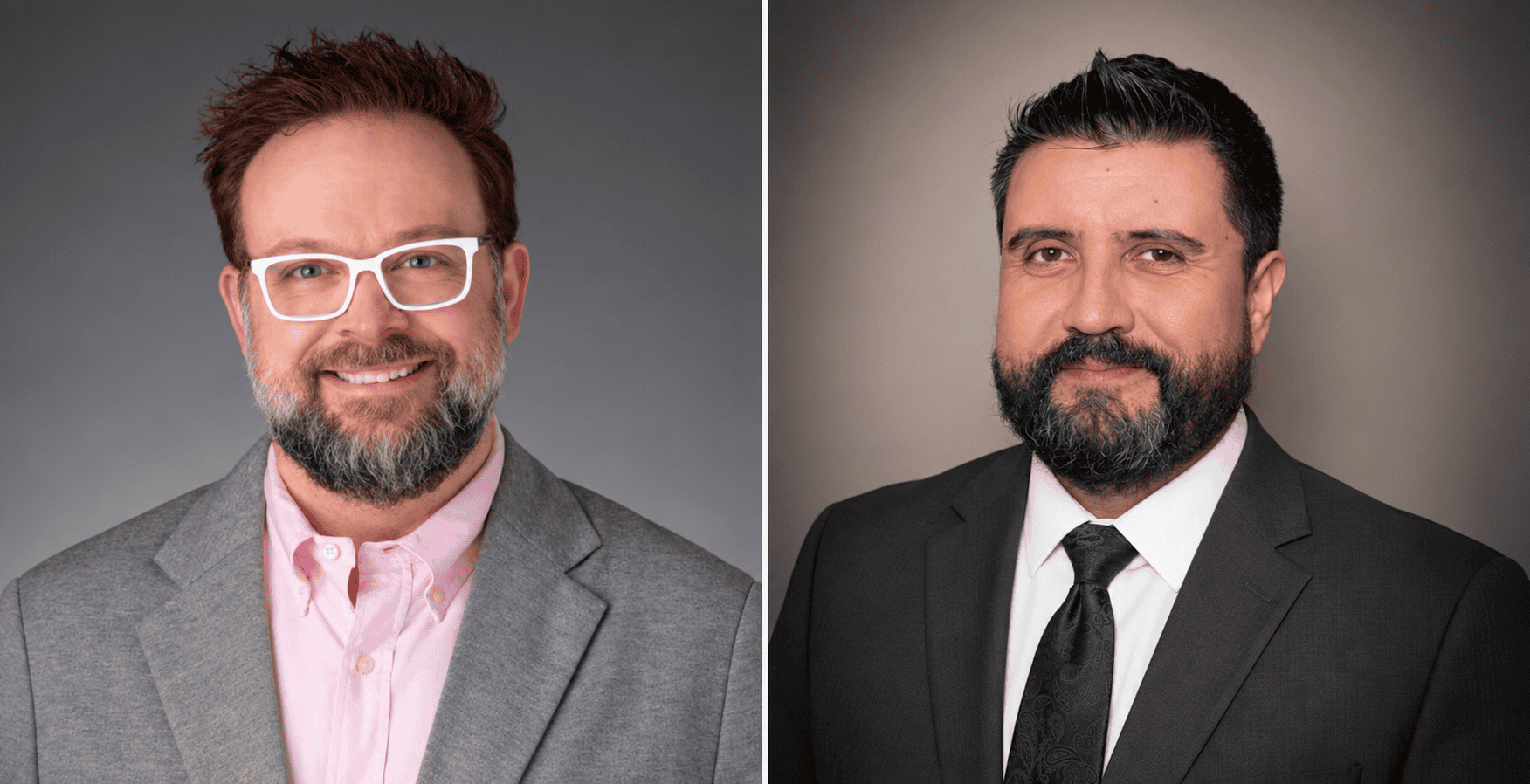


Pedro Chamorro Llanc never felt comfortable enough to be fully out at work. Even when he moved to the US from Chile in 2011 “it was ‘natural’ to continue being in the closet at work” – even after he had married his husband! Here we compare his experiences coming out at work to those of his colleague Steve Bayless, who struggled to find workplace acceptance for most of his career until joining The Hartford in 2025.
What made the difference? After years of developing very different coping mechanisms, joining a company with a truly open and inclusive culture proved a watershed moment for each of them.
“I think that society at large, is still telling us that being LGBTQ+ is still wrong,” says Steve, with the passion of years of keeping within boundaries set by others. “That which is outside the bounds of heteronormativity is still not to be approved of.”
Both men speak of the challenges of growing up in socially conservative places – Steve in Texas, Pedro in Chile.
Despite this early similarity, the experiences of each upon coming out and being out have been quite different. Pedro believes it was his own fear of negative responses keeping him closeted and the subsequent reactions of work colleagues have been overwhelmingly positive. For Steve, The Hartford is a kind of inclusive oasis within a broader hostile social culture.
“I have had many, many jobs where being yourself, wholly authentically myself, would have been frowned upon,” Steve says. “So many people saw being gay as something you did at home, in your bedroom, not WHO YOU ARE but WHAT YOU DO.”
He adds: “You needed to fly ‘under the radar’ and do all that you could to not be discovered. It was a particular challenge to show up to family events or even those that should have included your spouse and not feel like you were on the outside.”
Indeed, only once he joined The Hartford did Steve start to truly experience the benefits of an inclusive work culture.
“When I got to The Hartford, I learned the difference between acceptance and tolerance,” he says. “What I had before was tolerance. They tolerated me, my appearance, my speech, etc. Today, I can say that I have acceptance. That is a very different feeling than tolerance.”
He pauses for reflection before continuing: “Acceptance is that same emotion that I would have if I was not gay. If I was a standard issue straight guy, that is the feeling. I am not that, and I have never been that, but to be included as if I were that… I hope that every LGBTQ person is lucky enough to find that.”
For Pedro, joining The Hartford was empowering after years of protecting himself by deflecting personal questions. “I didn’t really think about how much I was filtering myself,” he says. “What helped me eventually was seeing other LGBTQ+ people being open at work and realizing that they were accepted and respected just like everyone else.”
He adds: “You can read company policies saying that everyone is welcome. But actually seeing LGBTQ+ coworkers talking about their lives, seeing leaders supporting them, and seeing the company participate in things like Pride makes it feel real.”
Steve is passionate about the importance of being himself in a broadly hostile culture. While being at The Hartford has shown what can be possible in the workplace, being gay and a member of the LGBTQ+ community in a conservative culture feels like an affront to his society’s stubborn cultural immaturity.
“When I wake up in the morning there is but one person looking back at me in the mirror,” he says, with boldness and conviction. “This is the one and only person that I care about what they think. I must have respect for me. I must have respect for my actions in every single interaction. If I can manage that, then the other things will fall in line. If I worry about what every other person thinks, I will never be me. AND I will not be able to respect the person I find in the mirror.”
Needless to say, this journey was not easy: “It has taken me a lifetime to come to this.”
He thinks that LGBTQ+ people must ever remain on their guard about revealing too much in a world where you can never be sure what others are thinking about you.
“In your own personal orbit, when you are LGBTQ, you must be careful. You must get to know people first, and more than just their name. You must know how they are going to take your ‘self’.”
That said, he not only is a strong believer in the essential power of inclusion. He has felt it. Including in quiet moments of real connection and subtle allyship with colleagues who have recognized him for who he is and welcomed it.
Pedro too, has felt the power of feeling truly included.
“Having inclusive policies is important, but people also need to actually see and experience that inclusion in their everyday work,” he says.
“Small things matter too. Being able to mention my husband in a conversation without feeling like I need to think about it first might seem insignificant, but after spending years doing exactly that, it makes a difference.”
He adds that being involved with The Hartford’s Pride employee resource group (ERG) has given him the opportunity to be more visible: “I think visibility is important because you never know when someone else might see you being yourself and feel a little more comfortable doing the same.”
Both men recognize the power of role models and representation, as well as the need for self-protection. But where Steve advises assertiveness and pride, Pedro’s advice for others is sanguine.
“I would say that you don’t have to come out at work just because other people do. It’s a personal decision and everyone has different circumstances, so you should do it when and if you feel comfortable,” he says.
“But I would also say to look around for people who make you feel safe being yourself. That was really important for me. I spent a lot of my career thinking that being gay was something I needed to keep separate from my professional life, and today I can talk about my husband just like anyone else talks about their spouse. I wish I had felt that comfortable much earlier in my career!”
 https://www.lgbtinsurancenetwork.com/wp-content/uploads/2026/10/6-Maisie-McCarthy-and-Laurence-Peck-Featured.png
1254
1254
fletch
https://www.lgbtinsurancenetwork.com/wp-content/uploads/2021/03/Link-LGBTQ-Insurance-Network-logo-web-white.png
fletch2026-10-02 08:59:082026-10-02 12:22:12Once That Gets Posted, That’s It Now…
https://www.lgbtinsurancenetwork.com/wp-content/uploads/2026/10/6-Maisie-McCarthy-and-Laurence-Peck-Featured.png
1254
1254
fletch
https://www.lgbtinsurancenetwork.com/wp-content/uploads/2021/03/Link-LGBTQ-Insurance-Network-logo-web-white.png
fletch2026-10-02 08:59:082026-10-02 12:22:12Once That Gets Posted, That’s It Now… https://www.lgbtinsurancenetwork.com/wp-content/uploads/2026/10/5-Dr-Keshier-Randolph-and-Ryan-Suby-Featured.png
1254
1254
fletch
https://www.lgbtinsurancenetwork.com/wp-content/uploads/2021/03/Link-LGBTQ-Insurance-Network-logo-web-white.png
fletch2026-10-02 08:50:502026-10-02 12:21:12You Don’t Need the World’s Permission to Be Who God Created You to Be
https://www.lgbtinsurancenetwork.com/wp-content/uploads/2026/10/5-Dr-Keshier-Randolph-and-Ryan-Suby-Featured.png
1254
1254
fletch
https://www.lgbtinsurancenetwork.com/wp-content/uploads/2021/03/Link-LGBTQ-Insurance-Network-logo-web-white.png
fletch2026-10-02 08:50:502026-10-02 12:21:12You Don’t Need the World’s Permission to Be Who God Created You to Be https://www.lgbtinsurancenetwork.com/wp-content/uploads/2026/10/4.-Sean-Bracebridge.webp
1080
1080
fletch
https://www.lgbtinsurancenetwork.com/wp-content/uploads/2021/03/Link-LGBTQ-Insurance-Network-logo-web-white.png
fletch2026-10-02 08:49:292026-10-02 12:19:42I’ve Never Really Come Out
https://www.lgbtinsurancenetwork.com/wp-content/uploads/2026/10/4.-Sean-Bracebridge.webp
1080
1080
fletch
https://www.lgbtinsurancenetwork.com/wp-content/uploads/2021/03/Link-LGBTQ-Insurance-Network-logo-web-white.png
fletch2026-10-02 08:49:292026-10-02 12:19:42I’ve Never Really Come Out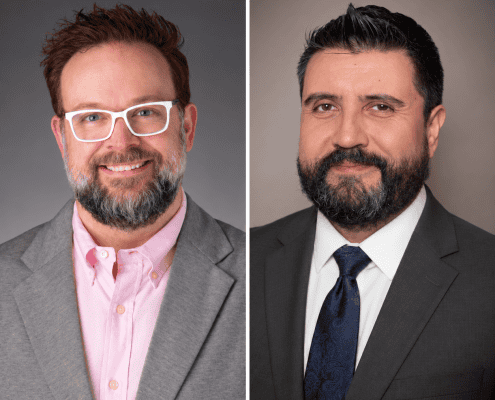 https://www.lgbtinsurancenetwork.com/wp-content/uploads/2026/10/3-Pedro-Chamorro-Llanc-and-Steve-Bayless-Featured.png
1254
1254
fletch
https://www.lgbtinsurancenetwork.com/wp-content/uploads/2021/03/Link-LGBTQ-Insurance-Network-logo-web-white.png
fletch2026-10-02 08:48:312026-10-02 12:20:18Seeing Other People Being Themselves Made a Big Difference
https://www.lgbtinsurancenetwork.com/wp-content/uploads/2026/10/3-Pedro-Chamorro-Llanc-and-Steve-Bayless-Featured.png
1254
1254
fletch
https://www.lgbtinsurancenetwork.com/wp-content/uploads/2021/03/Link-LGBTQ-Insurance-Network-logo-web-white.png
fletch2026-10-02 08:48:312026-10-02 12:20:18Seeing Other People Being Themselves Made a Big Difference https://www.lgbtinsurancenetwork.com/wp-content/uploads/2026/10/2-Drew-Hutchinson-and-Mark-Osborne-Featured.png
1254
1254
fletch
https://www.lgbtinsurancenetwork.com/wp-content/uploads/2021/03/Link-LGBTQ-Insurance-Network-logo-web-white.png
fletch2026-10-02 08:47:322026-10-02 12:23:16For Years I Feared How People Would React if They Knew
https://www.lgbtinsurancenetwork.com/wp-content/uploads/2026/10/2-Drew-Hutchinson-and-Mark-Osborne-Featured.png
1254
1254
fletch
https://www.lgbtinsurancenetwork.com/wp-content/uploads/2021/03/Link-LGBTQ-Insurance-Network-logo-web-white.png
fletch2026-10-02 08:47:322026-10-02 12:23:16For Years I Feared How People Would React if They Knew https://www.lgbtinsurancenetwork.com/wp-content/uploads/2026/10/1-Vanessa-Horne-and-Geoff-Lealan-Featured.webp
1080
1080
fletch
https://www.lgbtinsurancenetwork.com/wp-content/uploads/2021/03/Link-LGBTQ-Insurance-Network-logo-web-white.png
fletch2026-10-02 08:45:162026-10-02 12:15:41You’ll Know When You’re Ready
https://www.lgbtinsurancenetwork.com/wp-content/uploads/2026/10/1-Vanessa-Horne-and-Geoff-Lealan-Featured.webp
1080
1080
fletch
https://www.lgbtinsurancenetwork.com/wp-content/uploads/2021/03/Link-LGBTQ-Insurance-Network-logo-web-white.png
fletch2026-10-02 08:45:162026-10-02 12:15:41You’ll Know When You’re ReadyIf you enjoyed this article, please consider joining Link for more great insights and events from the LGBTQ+ community


 I’ve Never Really Come Out